Nova Scotia's Wild Bees
Mi'kmaq Name: Amu (pronounced ah-moo)
Scientific Classification
In Mi'kmaq culture, Bees are valued as helpers that support the growth of plants and berries through pollination and production of food and medicine. Bees represent hard work, cooperation and respect for all living things.
Bees evoloved from an ancient wasp that was carnivorous, stinging and paralyzing other insects to bring back to the nest for food. It lived 120 million years ago!
There are 7 families of bees worldwide, with one found only in Australia. In Nova Scotia, we’re home to over 200 bee species across 6 of these families.
When we think of a bee's home most people picture a large and busy hive, but most bee species don't build hives at all. Over 75% of bees are solitary, with females building their own nests, usually in the ground or burrowed into wood, and defending her nest and eggs alone.
In Nova Scotia we have four bees on our species at risk list. This includes the Sable Island Sweat Bee, which is named after the only place on the planet it's known to exist, Sable Island!
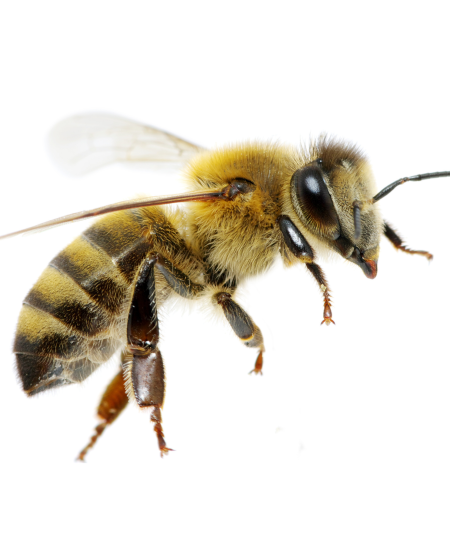
Most bees that collect pollen carry it back to their nests on their body with specialized hairs to hold the pollen. They also create a small electrostatic charge to help pollen stick better! But some bees will carry pollen in their crop, or "honey stomach", which is usually used to carry nectar.